

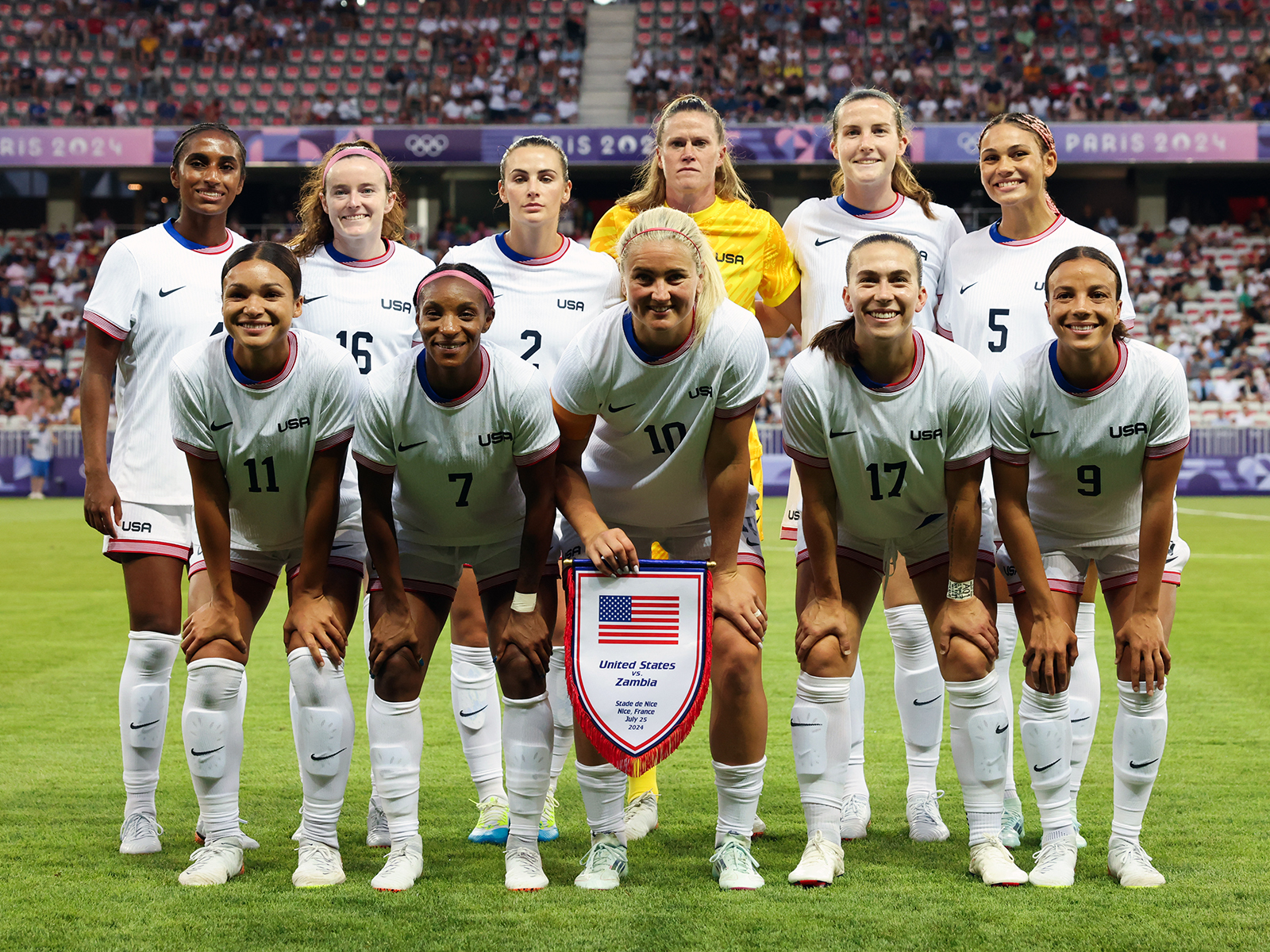
amicitaacademy.com – Women’s football, also known as women’s soccer in some regions, has transformed from a niche sport into a global phenomenon. Once marginalized and even banned in several countries during the 20th century, it is now one of the fastest-growing sports worldwide. By 2026, with record-breaking attendance, massive media coverage, and professional leagues thriving, women’s football stands as a symbol of equality, athletic excellence, and empowerment. From the FIFA Women’s World Cup to domestic leagues like the WSL and NWSL, the game is attracting millions of fans, players, and investors. This article explores its history, current state, key figures, and bright future.
A Brief History: From Bans to Breakthroughs
Women’s football dates back to the late 19th century, with the first recorded match in 1895 in England. During World War I, women played charity games while men were at war, drawing huge crowds. However, in 1921, the English FA banned women from using affiliated grounds, claiming the game was “unsuitable” for females—a ban that lasted until 1971. Similar restrictions existed worldwide.
The turning point came in the 1990s: FIFA hosted the first Women’s World Cup in 1991 (China won), and the sport was added to the Olympics in 1996. The 2019 World Cup in France shattered records with over 1 billion viewers, while the 2023 edition (co-hosted by Australia and New Zealand) saw even higher engagement. In 2026, the focus shifts to club football and the upcoming 2027 World Cup preparations.
The Current Landscape: Professional Leagues and Global Growth
Professional women’s football has exploded:
- England’s WSL: The most competitive league, with clubs like Chelsea, Arsenal, and Manchester City dominating Europe.
- USA’s NWSL: Home to stars like Alex Morgan and Sophia Smith; record attendance in 2025.
- Spain’s Liga F: Barcelona Femeni’s dominance, winning multiple UEFA Women’s Champions League titles.
- Other Leagues: France (D1 Arkema), Germany (Frauen-Bundesliga), and emerging ones in Brazil, Australia, and Japan.
Investment surges: In 2025, global spending on women’s football exceeded $1 billion, with equal pay milestones (e.g., USWNT’s 2019 settlement) inspiring others. Youth participation has doubled in many countries since 2019.
Iconic Players and Moments
Legends shaping the game:
- Marta (Brazil): Six-time FIFA Best Player, all-time World Cup top scorer.
- Alexia Putellas (Spain): Back-to-back Ballon d’Or Féminin winner.
- Sam Kerr (Australia): Chelsea’s prolific striker, known for acrobatic goals.
- Megan Rapinoe (USA, retired): Advocate for equality, key in 2019 World Cup win.
Memorable moments: Ada Hegerberg’s 2018 Ballon d’Or speech highlighting pay gaps, or England’s Euro 2022 triumph ending decades of heartbreak.
Challenges and Progress Toward Equality
Despite growth, issues remain:
- Pay disparities (top women earn far less than men).
- Media coverage (still <10% of sports media in many countries).
- Investment gaps in non-European leagues.
Progress: FIFA’s 2023-2027 strategy aims for parity, with increased prize money and development funds.
The Future: Bright and Inclusive
By 2027 World Cup (Brazil host), expectations are for 2 billion viewers. Trends in 2026:
- More hybrid leagues and global tours.
- Youth academies booming.
- Integration with men’s clubs for shared resources.
Women’s football is more than a sport—it’s a movement for gender equality and inspiration for young girls worldwide.
Women’s football has come a long way, proving talent and passion transcend gender. From banned fields to sold-out stadiums, it’s a story of resilience and triumph. As attendance records shatter and stars shine brighter, the beautiful game is truly becoming beautiful for all. The future is female—and it’s kicking strong!