

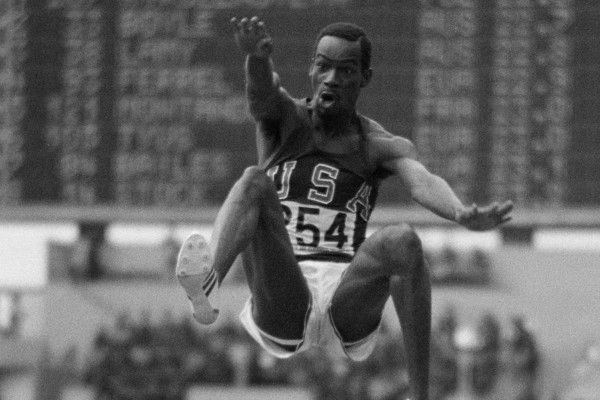
Bob Beamon’s long jump at the 1968 Mexico City Olympics is widely regarded as one of the most astonishing single performances in sports history. On his first jump of the final, Beamon leapt an unprecedented 8.90 meters, shattering the existing world record by an incredible 55 centimeters. The distance was so far beyond expectations that officials initially struggled to display it correctly on the scoreboard. Competing at high altitude under intense pressure, Beamon delivered a moment that stunned athletes, spectators, and experts alike.
From a technical and athletic perspective, Beamon’s jump represented a perfect convergence of preparation, biomechanics, and environmental conditions. Sports scientists have since analyzed the role of altitude, sprint speed, and takeoff efficiency in his performance, yet even with these factors considered, the jump remains extraordinary. Coaches and historians emphasize that Beamon executed flawless form at the exact moment it mattered, demonstrating elite mental focus and mastery of technique developed through years of disciplined training.
The impact of Beamon’s achievement extended far beyond the long jump pit. His record stood for 23 years, influencing how athletes and experts viewed the boundaries of human performance. The term “Beamonesque” entered the sports lexicon to describe feats that dramatically exceed expectations. Decades later, Beamon’s 1968 jump continues to symbolize the rare moments when sport transcends statistics and redefines what humanity believes is possible.