

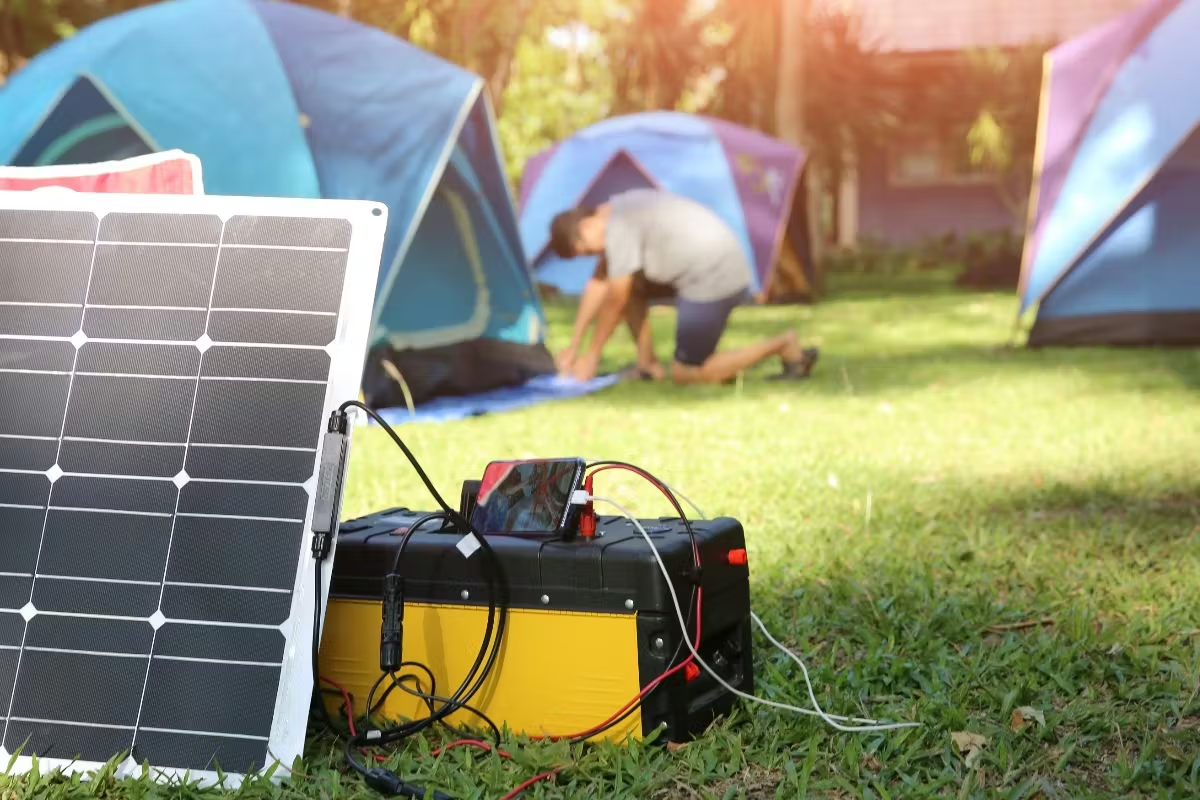
amicitaacademy.com – In an age of increasing energy demands, climate concerns, and frequent power outages, portable solar generators have emerged as a game-changing solution for clean, reliable power on the go. These devices combine solar panels, batteries, inverters, and outlets into a compact, mobile unit that harnesses sunlight to generate electricity without noise, fumes, or fuel costs. Ideal for camping, RV trips, emergency backups, or off-grid living, portable solar generators offer independence from the grid. In 2025, advancements in battery efficiency, faster charging, and smart integration have made them more accessible and powerful than ever. This article explores how they work, benefits, top models, and tips for choosing the right one.
How Portable Solar Generators Work
A portable solar generator typically consists of:
- Solar Panels: Foldable or detachable panels that capture sunlight and convert it to DC electricity.
- Battery Storage: Usually lithium-ion or LiFePO4 for storing energy (capacities range from 200Wh to over 3000Wh).
- Inverter: Converts DC to AC power for household appliances.
- Charge Controller: Regulates input to prevent overcharging.
- Outputs: AC outlets, USB ports, DC carports, and sometimes wireless charging.
The process is simple: Panels charge the battery during the day, and the stored power is used anytime. Many models support multiple charging methods—solar, wall outlet, or car—for flexibility in cloudy conditions.
Key Benefits of Portable Solar Generators
- Eco-Friendly and Silent: Zero emissions and no engine noise, perfect for nature trips or quiet neighborhoods.
- Cost Savings: Free solar charging after initial purchase; no ongoing fuel expenses.
- Portability: Lightweight (5-30 kg) with handles/wheels; easy to transport.
- Versatility: Power phones, laptops, fridges, CPAP machines, lights, or small appliances.
- Emergency Preparedness: Reliable backup during blackouts or disasters.
- Off-Grid Freedom: Essential for van life, boating, or remote work.
In regions prone to outages or with abundant sunlight like Indonesia, Australia, or the American Southwest, they’re increasingly popular.
Top Portable Solar Generators in 2025
Popular models include:
- EcoFlow River 2 Pro: 768Wh capacity, 800W output, ultra-fast charging (full in 70 minutes via AC). Great for beginners—around $600.
- Jackery Explorer 2000 Pro: 2160Wh, 2200W output, expandable with extra batteries. Excellent for longer trips—$1,800–$2,200.
- Bluetti AC200MAX: 2048Wh, 2200W, modular expansion up to 8192Wh. Robust for home backup—$1,700.
- Anker Solix F2000: 2048Wh, 2400W, app-controlled with smart monitoring—$1,500–$1,800.
- Goal Zero Yeti 1500X: 1516Wh, reliable for outdoor enthusiasts with strong ecosystem—$1,800.
Budget options like Rockpals or Pecron start under $300 for smaller capacities.
Choosing the Right Portable Solar Generator
Consider:
- Capacity (Wh): For phones/lights (300-500Wh); camping with fridge (1000-2000Wh); home backup (2000+Wh).
- Output Power (W): Ensure it handles your devices’ peak wattage.
- Charging Speed: Look for MPPT controllers for efficient solar input.
- Ports and Features: Multiple AC/USB, app control, expandability.
- Durability: IP-rated for water/dust resistance if for outdoors.
In 2025, LiFePO4 batteries dominate for longevity (3000+ cycles) and safety.
Challenges and Future Trends
Challenges: Higher upfront cost, weather-dependent charging, and weight for larger units. Future trends include lighter materials, faster solar efficiency (up to 25%), AI-optimized power management, and integration with home energy systems.
Portable solar generators represent a shift toward sustainable, independent power. Whether for adventures, emergencies, or daily use, they offer freedom from the grid while reducing carbon footprints. In 2025, with prices dropping and tech improving, it’s an ideal time to invest—start small and go off-grid your way!